
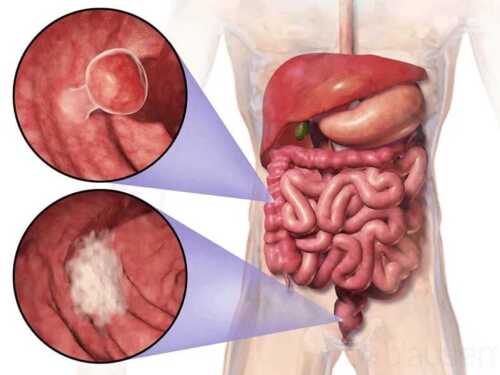
Early detection can prevent colorectal cancer
Rectal bleeding should not be ignored as it could be an early warning sign of colorectal cancer, while the disease can sometimes be prevented if precancerous changes are detected and treated early, a Gastroenterological Surgeon at the National Hospital Colombo, Dr Isuru Upanishad, said.
Addressing the media at the Health Promotion Bureau yesterday (12), Dr Upanishad said patients of different age groups commonly seek treatment after noticing blood in their stools or bleeding from the rectum. However, he said the nature and colour of the blood could vary depending on where the bleeding occurred in the digestive tract.
According to him, bleeding from the lower part of the rectum usually appears as fresh, bright red blood, either as drops or mixed with stools. When bleeding occurs higher up in the digestive tract, the blood becomes darker as it is digested and can eventually appear as black, sticky stools.He said there were also cases where blood could not be seen with the naked eye, but tests such as a faecal occult blood test could detect hidden blood in stools.
Dr Upanishad said colorectal cancer was one of the most common cancers affecting both men and women in Sri Lanka, according to the country’s 2022 cancer data. However, he stressed that colorectal cancer had an important advantage compared to some other cancers as it had a precancerous stage.“This means that we can identify changes before the cancer develops. If we act at that stage, we can actually prevent the cancer from developing,” he said.He said early detection of colorectal cancer could also allow doctors to use less invasive treatment methods.
“If the cancer is detected at a very early stage, we now have modern facilities, including in Government hospitals, to carry out small procedures through an endoscope and completely remove some cancers,” he said.He further noted that people with a family history of gastrointestinal cancer should pay particular attention to even a small amount of rectal bleeding, while those with conditions such as inflammatory bowel disease could also have an increased risk of developing colorectal cancer.
Dr Upanishad urged people to seek medical attention if they experienced rectal bleeding together with a recent change in bowel habits. Such changes could include recently developed constipation or stools becoming looser or more watery than usual, he said.Dr Upanishad said a doctor could recommend several investigations for a patient with rectal bleeding, with a colonoscopy being one of the most important. A colonoscopy allows doctors to examine the entire large intestine and identify cancers or abnormal growths at different locations.
He also said patients should not always assume that bowel cancer surgery would result in a permanent opening in the abdomen and the need to use a bag to collect stools.Such procedures are now carried out selectively and less frequently, while in many cases doctors can remove the affected section and reconnect the bowel so that stools can be passed through the normal route.He added that the Health Ministry also provides a colostomy care service to support patients who require such treatment.
0 reacts