Sri Lanka’s economy nears pre-crisis level: CBSL Chief
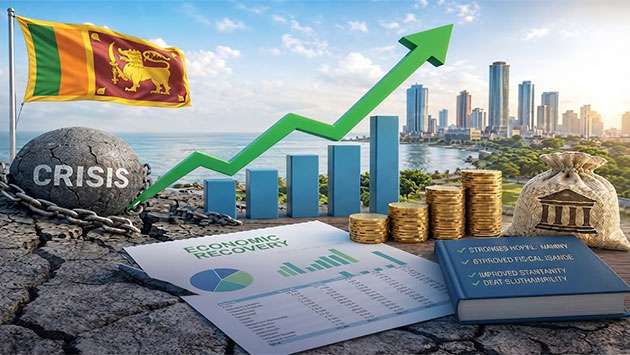
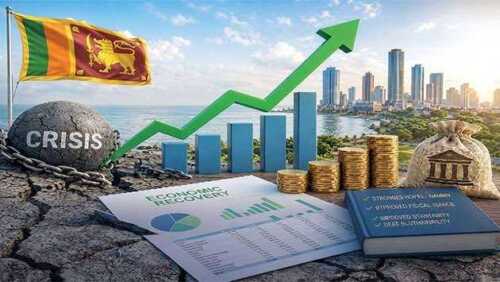
– The national economy has recovered to almost its pre-crisis level following a sharp turnaround from its worst economic meltdown, Central Bank Governor Dr. Nandalal Weerasinghe said this week, pointing to stronger public finances, improved fiscal balances and progress towards debt sustainability as key pillars of the recovery.According to Weerasinghe, the speed of the rebound was particularly significant given the depth of the economic and balance-of-payments crisis the country faced, which ultimately pushed Sri Lanka into its first sovereign default in 2022.
“The economy has now recovered to almost the level seen before the crisis. This represents a strong recovery over a relatively short period,” Weerasinghe said at a briefing organized by the Ministry of Foreign Affairs, attended by senior government officials and members of the diplomatic community this week.Sri Lanka’s economy suffered a severe contraction during the crisis as acute foreign exchange shortages disrupted imports, fuel and energy supplies, while soaring inflation, higher interest rates and steep currency depreciation squeezed households and businesses. The subsequent stabilization program has centred on rebuilding foreign exchange reserves, bringing inflation under control, restoring fiscal balances, restructuring public debt and strengthening the external position.
Weerasinghe said Sri Lanka’s experience stood out internationally because of both the severity of the crisis and the speed at which macroeconomic stability had been restored.“Sri Lanka can be recognized as one of the countries that experienced a severe economic and balance-of-payments crisis and subsequently achieved one of the fastest recoveries,” he said.A sharp improvement in government finances has been central to the turnaround.According to the Governor, the Government’s revenue-to-GDP ratio has increased by almost 100 percent within three years, reversing a period in which State revenue had fallen to exceptionally low levels and contributed to widening fiscal imbalances.Describing the increase as a “remarkable achievement,” he said the Government had been able to maintain fiscal discipline through a combination of increased revenue mobilization, expenditure control and improvements in fiscal balances, alongside measures aimed at ensuring debt sustainability.
The fiscal adjustment has been a critical part of Sri Lanka’s economic reform programme following the 2022 crisis, when weak government revenue, large fiscal deficits, depleted foreign reserves and an unsustainable debt burden converged to leave the country unable to meet its external debt obligations.Accordingly, the authorities now see the economy moving beyond the immediate stabilisation phase, although maintaining the gains will depend on continued fiscal discipline and the durability of reforms.
Weerasinghe also said Sri Lanka could be identified as one of the countries that experienced a severe economic and balance-of-payments crisis.He said the Government’s revenue-to-GDP ratio had increased by almost 100 percent within three years, reversing a period in which State revenue had fallen to exceptionally low levels and contributed to widening fiscal imbalances.Sri Lanka is also seeking to translate the improvement in its macroeconomic position into stronger sovereign creditworthiness.Weerasinghe said the authorities were currently holding discussions with all three major international credit-rating agencies over Sri Lanka’s sovereign rating.The country had previously been placed in the restricted-default category following the suspension of external debt repayments during the crisis. It has since moved out of that category and into speculative-grade territory following progress in restructuring its debt.
According to Weerasinghe, discussions are now focused on securing another step up in Sri Lanka’s rating.“We are hopeful that Sri Lanka will soon receive a further upgrade, reflecting the progress that has been achieved,” he said.A further sovereign rating upgrade would provide an external assessment of the improvement in Sri Lanka’s economic and fiscal position, although the country remains below investment grade.Improved sovereign creditworthiness could also help rebuild international investor confidence as Sri Lanka gradually seeks to normalise its relationship with global capital markets following the default.The recovery, however, will increasingly be judged on whether the macroeconomic stability achieved since the crisis can translate into sustained growth, investment and greater resilience against future domestic and external shocks.Weerasinghe reiterated that Sri Lanka’s experience could offer lessons beyond the country itself, particularly for international financial institutions and businesses assessing how economies can emerge from severe balance-of-payments crises.He said Sri Lanka could increasingly be viewed as an example of how a country can recover quickly from a deep economic crisis while laying the foundations for a more stable, resilient and sustainable economy.
Comments – 2
Recommended
 2


You May Also Like
Trending