El Niño dry spell puts pregnant women, lactating mothers at malnutrition risk: Specialist



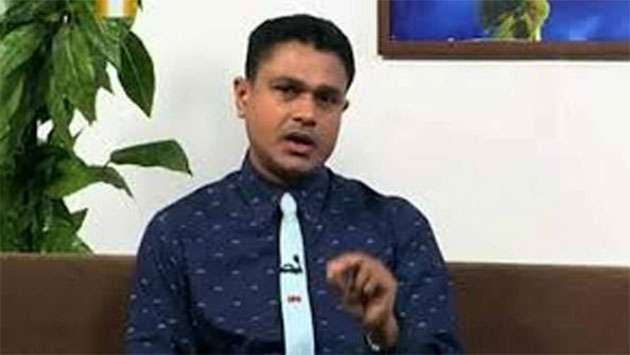
He said the Government must prepare in advance for the prolonged drought and strengthen welfare and health services in affected areas to prevent a deterioration in the nutritional status of vulnerable communities.He said reduced food production, declining availability of quality food, falling incomes among farmers and rising household expenses could make it increasingly difficult for rural and semi-urban families to obtain nutritious food.
The situation could have a particularly serious impact on children under five and those between five and 17 years of age, he warned.Dr Sanjeewa called for programs to ensure adequate nutrition for schoolchildren aged five to 17 in drought-affected areas, while urging the Government to strengthen existing nutritional support for children under five.He also expressed concern that the Thriposha program for children under five is already not being implemented in several parts of the country, warning that gaps in nutritional support could worsen the situation if the drought persists.
The specialist further urged the Ministry of Health to urgently introduce targeted nutritional programs for pregnant women and lactating mothers, as well as adults living with non-communicable diseases, who could face additional health risks during a prolonged food and water crisis.He said the Government should establish a special health task force to respond to the El Niño situation and allocate dedicated resources to ensure the health system is adequately prepared.“Advance preparation is essential to prevent a drought-related nutritional crisis,” Dr Sanjeewa said, highlighting that health, nutrition and social welfare measures should be implemented before vulnerable communities begin experiencing severe shortages.
Comments – 1
Recommended







You May Also Like

Trending