Stranded Iranian vessels place Sri Lankan in a tight spot
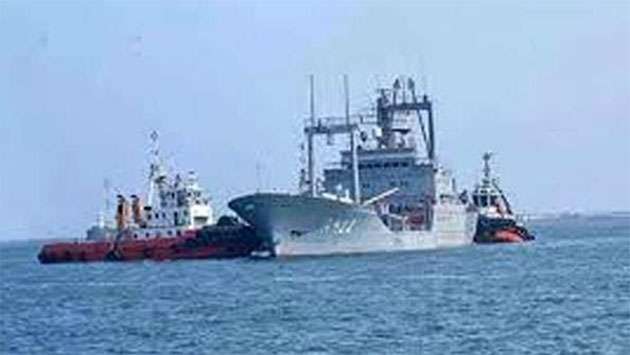
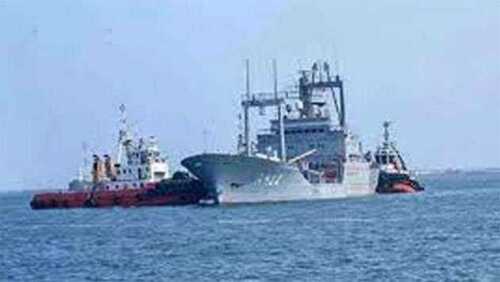
– Sri Lanka is in a tight spot regarding the U.S. sanctioned Iranian vessels stranded off its waters since extension of humanitarian assistance to them will result in secondary sanctions.These vessels, around 20 in number, are stranded in Sri Lanka’s Exclusive Economic Zone but not in its territorial waters.The Foreign Ministry had already informed the Iranian authorities that Sri Lanka would refrain from supplying food, water and medicine to the crews of the vessels, and advised the country’s private sector not to do so.
According to Article 98 of the United Nations Convention on the Law of the Sea, Sri Lanka is legally entitled to render such assistance to ships in humanitarian needs. The Iranian authorities have taken the stand that Sri Lanka, as a member state, is obligated to provide assistance to the crew members of Iranian ships waiting for provisions. They have cited , in addition to the UNCLOS, the International Convention for the Safety of Life at Sea, 1974 (SOLAS) and the International Convention on Maritime Search and Rescue, 1979 (SAR Convention), in presenting their case in this regard.However, Sri Lanka, as a small country with a fragile economy, cannot resist American sanctions at this juncture because the United States is the single largest export destination for Sri Lankan absorbing as much as 23 percent of its merchandise exports.
Former External Affairs Minister Prof. G.L. Peiris also said that Sri Lanka could not resist sanctions but could raise its non-aligned policy collectively with others rather than trying it alone.Earlier, a U.S. embassy spokesman said that the United States is working with allies and partners to close off avenues for ‘illicit Iranian revenue’, and raise global awareness of the risks of doing business with the Iranian regime.
“The United States has previously designated entities—including brokers, fuel suppliers, and cargo certifiers—for facilitating the operations of sanctioned vessels, underscoring that providing services such as fuel, food, or provisions to a sanctioned vessel can expose companies and individuals to U.S. sanctions risk, including potential civil or criminal penalties ,” a September 25 press release from the embassy said .

Comments – 1
Recommended

 0

You May Also Like
Trending